
SEO for Shopify is vital for startups transitioning to enterprise growth, enabling brand expansion while building trust. Key strategies include optimizing product listings with relevant keywords, enhancing mobile responsiveness, and creating high-converting sales funnels. Transparency, reliability, and customer-centricity drive brand trust, with 64% of consumers prioritizing trusted brands. By implementing these SEO practices, Shopify stores can boost online presence, attract targeted traffic, and cultivate a loyal customer base.
In today’s digital landscape, establishing a robust online presence is paramount for businesses seeking to thrive. Particularly for e-commerce giants like Shopify, Search Engine Optimization (SEO) serves as the linchpin connecting eager customers with worthy brands. Trusted by startups scaling up and Fortune 500 companies alike, effective SEO strategies are pivotal in driving organic traffic, cultivating brand recognition, and ultimately bolstering sales. This authoritative piece delves into the intricate art of Shopify SEO, offering actionable insights and expert guidance to elevate your online store’s visibility and achieve unparalleled success.
- Understanding the Shift: Startups to Enterprise-Level Growth
- SEO Strategies: Optimizing for Scalability on Shopify
- Building Trust: Key Factors for Long-Term Customer Loyalty
Understanding the Shift: Startups to Enterprise-Level Growth

The journey from startup to enterprise-level growth is a significant shift that demands strategic adjustments, particularly in the realm of digital marketing. As businesses scale, their marketing approaches must evolve to meet the demands of a broader audience, while also navigating the ever-changing digital landscape. Search Engine Optimization (SEO) plays a pivotal role in this transition, especially for platforms like Shopify, which have become the backbone of innovative e-commerce trends. Understanding and implementing effective SEO strategies can empower businesses to transition smoothly from a niche market to a prominent position within the Fortune 500.
One of the key challenges lies in maintaining brand identity and online visibility as the company grows. Startups often thrive on their unique value propositions, but as they expand, they must ensure that their marketing efforts remain cohesive. This is where SEO for Shopify becomes a powerful tool. By optimizing product listings with relevant keywords and high-quality content, businesses can attract a wider customer base while still catering to their specific niche interests. For instance, a successful startup might introduce an employee equality program, targeting a broader audience while maintaining its brand identity through SEO-optimized content that highlights these initiatives.
As companies scale, they must also adapt to the evolving preferences of their customers. Recent trends indicate a growing demand for transparent and inclusive businesses. Implementing SEO-optimized product listings that showcase diverse offerings and company values can significantly enhance brand reputation. For example, https://seogrowthlab.us.com, a leading SEO agency, has assisted numerous Shopify stores in boosting their online presence by focusing on these strategies. By combining innovative e-commerce trends with effective SEO, businesses can not only attract but also retain a loyal customer base as they grow from startup to enterprise status.
SEO Strategies: Optimizing for Scalability on Shopify
As startups scale and grow, their online platforms become critical to their success. Shopify, as a secure online shopping platform, has emerged as a preferred choice for many, offering a robust e-commerce solution. However, as these businesses expand, optimizing their search engine visibility becomes increasingly vital. This is where effective SEO strategies come into play, ensuring that Shopify stores remain competitive and relevant in the digital marketplace.
SEO for Shopify involves a strategic approach to boost online visibility and drive targeted traffic. One of the key aspects is responsive design optimization. With a vast number of customers accessing sites via mobile devices, Shopify stores must be fully optimized for all screen sizes. This not only enhances user experience but also improves search engine rankings. For instance, Google’s mobile-first indexing means that a well-optimized mobile site can significantly impact overall SEO performance. According to recent data, over 60% of online purchases are now made on mobile, making responsive design a non-negotiable for any Shopify merchant aiming for success.
Another critical element is optimizing SEO-optimized product listings. This involves crafting compelling meta titles, descriptive URLs, and rich, keyword-rich content for each product page. By implementing best practices, Shopify store owners can improve click-through rates and increase the likelihood of conversions. For example, using relevant long-tail keywords in product descriptions can attract a more specific audience, resulting in higher-quality traffic. seogrowthlab.us.com emphasizes the importance of regularly updating and refining product listings to keep up with market trends and search engine algorithms. This continuous optimization ensures that Shopify stores remain at the top of search results, even as the competitive landscape evolves.
Building Trust: Key Factors for Long-Term Customer Loyalty
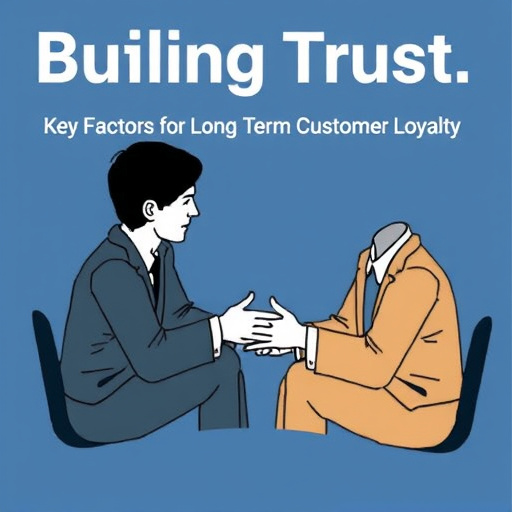
Building trust is a cornerstone for any business, especially in the competitive e-commerce landscape. Startups and established brands alike must cultivate a culture of transparency, reliability, and customer-centricity to thrive. In the realm of customer loyalty, a strong foundation of trust is a game-changer, propelling businesses from mere transactions to lasting partnerships.
When it comes to establishing trust, SEO for Shopify platforms plays a pivotal role. Optimizing your online store not only improves visibility but also creates a seamless user experience, fostering a positive perception. High-converting sales funnels, crafted with customer needs in mind, further enhance this trust. For instance, personalized product recommendations based on browsing behavior can significantly increase conversion rates. By prioritizing employee equality programs and promoting diversity, brands also reflect their values in their customer interactions, fostering a sense of fairness and inclusivity.
Ranknrise.us.com, a leading authority in customer-centric e-commerce solutions, emphasizes the importance of aligning business practices with customer expectations. They advocate for data-driven decisions, leveraging insights to tailor marketing strategies and personalize customer journeys. A study by HubSpot revealed that 64% of consumers are willing to pay more for products and services from companies they trust. This underscores the critical link between trust and financial performance, with loyal customers driving revenue and growth.
To build lasting trust, businesses must consistently deliver on their promises, ensure secure transactions, and maintain open lines of communication. Integrating customer feedback loops and promptly addressing concerns are essential practices. By embracing transparency and putting customers at the heart of their e-commerce strategies, businesses can create a loyal customer base that becomes their greatest advocates, ensuring long-term success and a competitive edge.
As the article has elucidated, the journey from startup to Fortune 500 involves a profound shift, particularly in leveraging SEO for Shopify as a strategic growth engine. Understanding this transition and implementing effective SEO strategies are paramount for scaling while maintaining customer trust. Key takeaways include focusing on content that resonates with the target audience, optimizing site performance, and fostering long-term loyalty through transparent and reliable practices. By seamlessly integrating SEO into their Shopify platforms, businesses can not only attract a broader audience but also build a solid foundation for sustained success in today’s competitive marketplace.